
Measure your intended setup before paying for more coverage. Include the stand, working distance, and the space you need to sit or stand.
We have not personally tested these devices. This is buying research, not medical advice. How we assess products
Compare complete setups with a simple worksheet
Put each shortlisted panel into the same worksheet. Include the panel, required mounting equipment, delivery and any accessory essential to the position you intend to use. Keep return freight in a separate risk column instead of treating it as a cost you will certainly incur. This distinguishes the cost of keeping the device from the cost of discovering it does not suit your home.
| Decision | Next step | Why it matters |
|---|---|---|
| Keep it | Device + necessary stand + shipping + tax | Use checkout totals in the same currency. |
| Return it | Nonrefundable charges + return freight + applicable fees | Request a written estimate if the seller does not publish one. |
| Live with it | Stored size + setup steps + cleaning | Treat convenience as a purchase criterion, not an efficacy score. |
A panel’s size is only the beginning
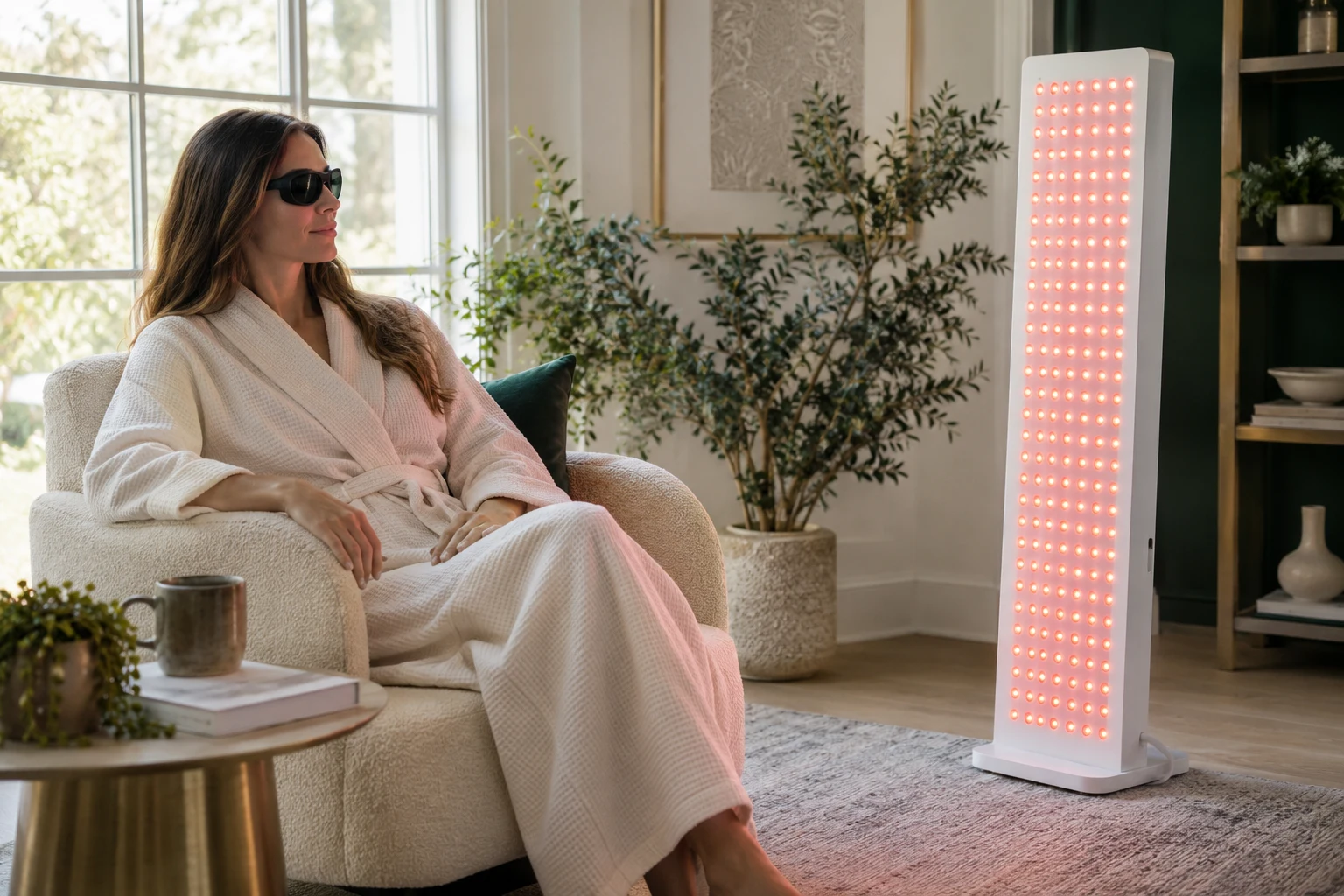
A panel may fit on paper and still be awkward in a bedroom. Sketch where it will stand, where you will be, and where the cable will run. Ask whether a mount or stand is included and whether it supports the orientation you want. Add that accessory to the comparison price before deciding that one offer is cheaper.
One useful size comparison
Mito Red Light’s published table lists the MitoPRO 300X at 9.5 × 14.5 inches and 7 pounds, and the MitoPRO 1500X at 10 × 43 inches and 25 pounds. These are panel dimensions and weights. The larger unit creates a different storage and handling decision; it is not simply the smaller one with a higher number. Read the source
| Question | What to request |
|---|---|
| Coverage | An illumination map at the intended working distance. |
| Output | Measurement method, distance, mode, and whether the figure is peak or averaged. |
| Placement | Compatible stands or mounts and their total footprint. |
| Ownership cost | Accessories, shipping, return freight, and warranty handling. |
Check how the numbers were produced
The same Mito comparison page distinguishes consumer-meter readings from professional spectroradiometer readings. That is a reason to examine measurement methods before sorting products by their biggest advertised number. Two readings taken under different conditions do not establish a fair performance ranking.
What would justify the larger purchase?
Your answer should describe a use you will repeat. For example, needing a larger exposed area is a concrete reason to investigate a larger panel. Wanting the highest specification because it sounds more effective is a weaker basis. Ask the manufacturer how your intended positioning relates to its instructions and published coverage.
Where this guide stops
We have not measured output, fan noise, heat, or light uniformity. We do not infer treatment results from panel dimensions. For a first shortlist, favor models whose manuals and measurement conditions are available before purchase.
A $200 stand is part of the product decision
Consider a hypothetical $700 panel that needs a $200 stand and $40 delivery, versus a $850 package that already includes the stand and delivery. The first costs $940 before tax; the second costs $850. The lower headline price is $90 more expensive for the setup in this example. These are illustrative prices, not offers from the brands discussed here.
The same reasoning applies to return freight. A bulky package that you can receive for free may still be expensive to send back. Ask for the return destination, who arranges collection, and whether original packaging is required. Store the box until you have settled the purchase.
Why we have not added a consumer star score
We have not assembled a verified, model-matched owner sample for these panel models. A brand-wide rating would mix sizes, generations and potentially unrelated products. This guide therefore makes a narrower contribution: comparing the setup and the definitions behind published measurements. We will add attributable owner evidence when it can be tied to the actual model.
Frequently asked questions
Does a bigger panel mean better results?
A larger physical unit changes coverage and handling. It does not, by itself, establish a better outcome for your intended use.
Should I choose the highest advertised irradiance?
Compare readings only when distance, instrument, mode and measurement area are comparable. Otherwise the apparent ranking may be misleading.
Is the stand included?
Check the exact package. Product photography may show an accessory that must be purchased separately; include required accessories in your budget.
Sources & verification
Editorial structure updated September 10, 2026. Original source checks: September 8, 2026; selected manufacturer specifications and policies rechecked September 10. Consumer accounts retain their original attribution and limitations. Prices and terms may change.
Product links lead directly to manufacturers and are not affiliate tracking links in this edition.